BESS won three of four contracts in GB's first reactive power tender. Germany and Spain are next
Three European markets are formalising reactive power procurement as synchronous generation retires. GB's LT2029 tender covers 1,450 MVAr across three named zones; Germany's TSOs project a 27,000 MVAr deficit by 2030. Spain, which had no reactive power market until 2025, is launching daily competitive auctions to replace a mandatory CCGT obligation that was costing consumers €176m a year.
What is reactive power?
Electricity networks carry two types of power. Active power (MW) does useful work. Reactive power (MVAr) sustains the electromagnetic fields that AC networks need to function. No consumer pays for it directly. But remove it, and the voltage fails.
Reactive power is local: frequency is roughly uniform across a synchronous grid, but voltage varies by location. A surplus in the north does nothing to fix a deficit in the south.
Why is reactive power becoming a revenue opportunity for BESS?
Thermal generators contain synchronous machines that provide reactive power automatically, as a condition of grid connection. For most of history, reactive power wasn't an issue, because thermal plants were always running. As they retire, the obligation pool shrinks with them.
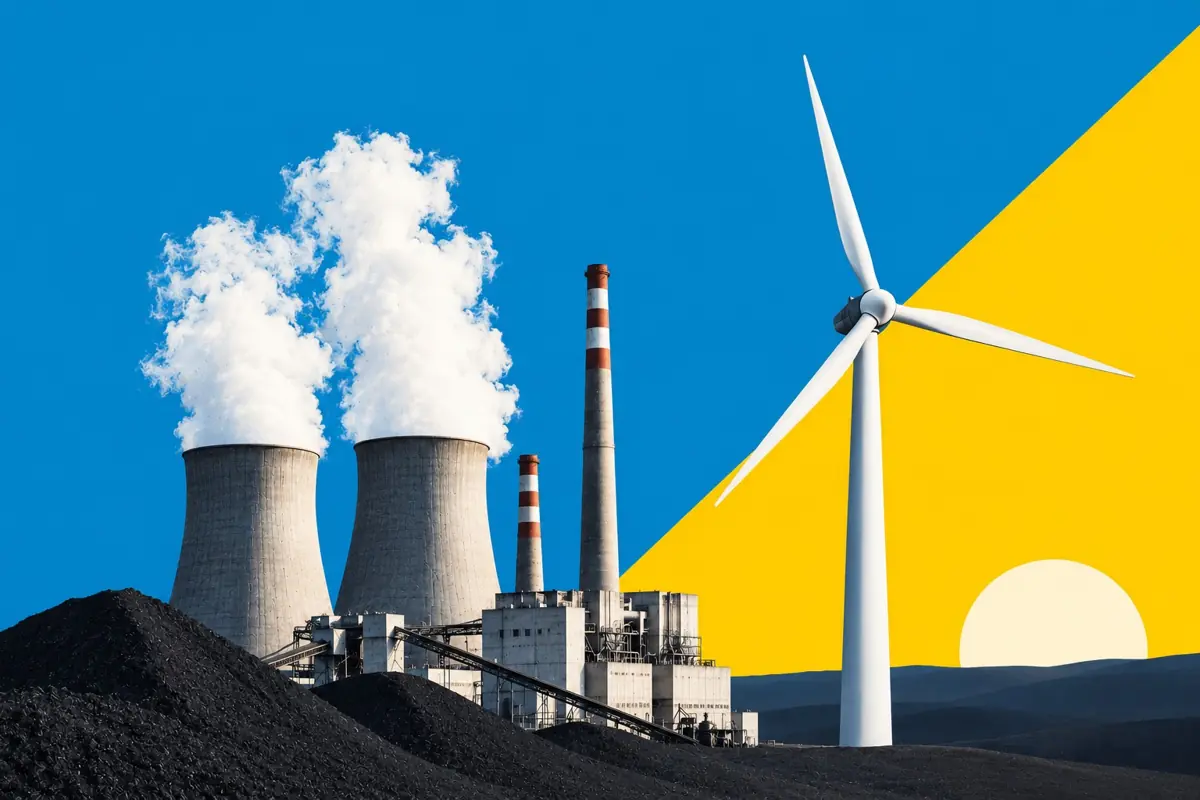
Modo's modelling projects synchronous generation in Great Britain falling from 55% to 33% of the mix between 2026 and 2035. In Spain, nuclear retirement cuts synchronous generation by 23% in absolute terms while renewable output grows 67%. Grid operators have to create a price signal that didn't previously exist.
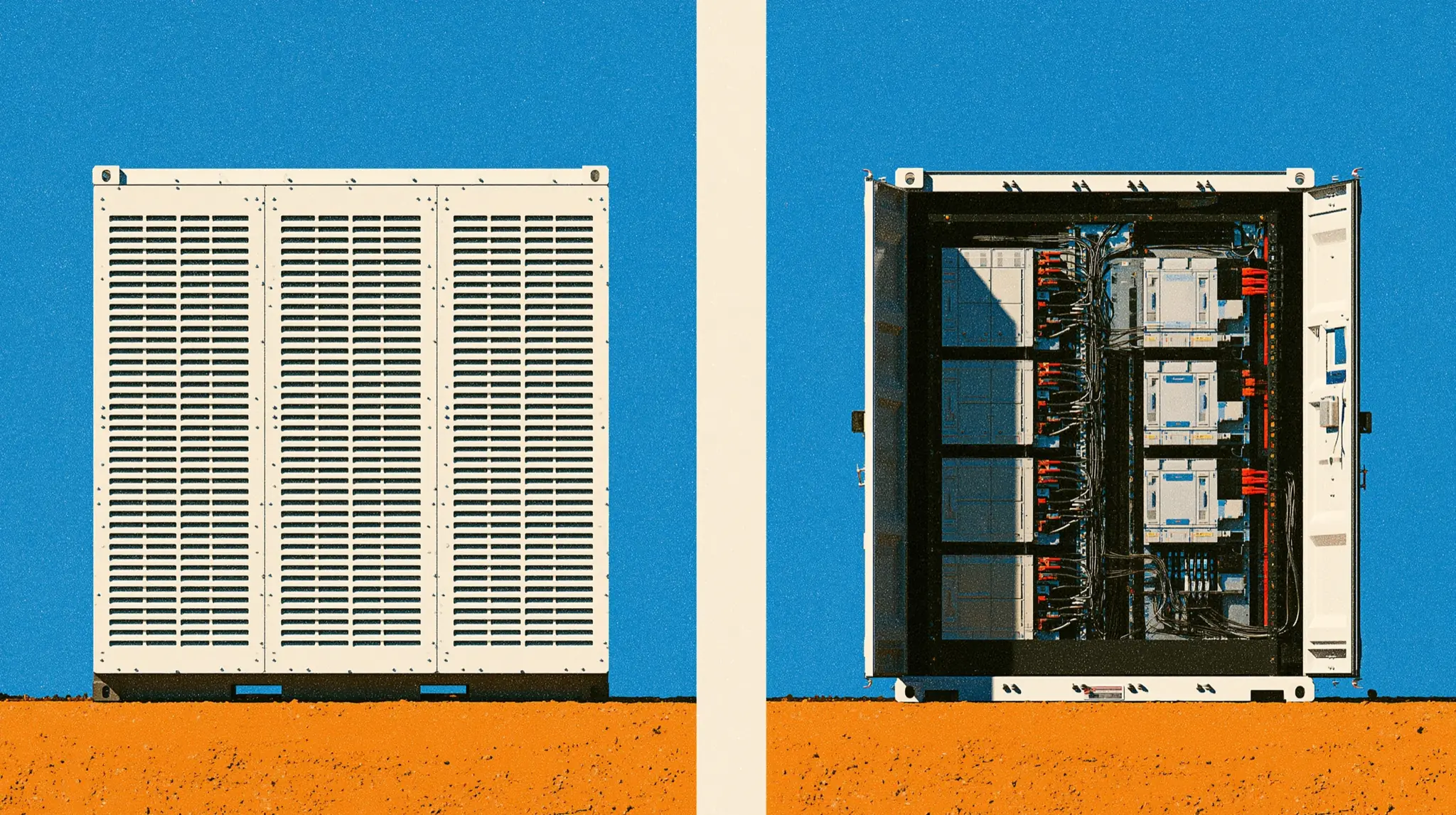
Synchronous condensers are purpose-built for reactive power and grid operators are deploying them. They have no active power capability and no other revenue. Wind and solar inverters can provide reactive power, but only when generating, and at the cost of active power headroom. BESS uses the same inverter architecture with neither constraint. It is available at any state of charge, and a reactive power contract adds to other revenue rather than competing with it.
The market landscape
Each market follows the same pattern: synchronous generation retires or stops running economically, its reactive obligation disappears, and the grid operator builds a market to replace it. How that problem presents depends on the energy mix and geography of each system.
In GB, the aging gas fleet means there's a high risk of reactive power loss in some zones. In Spain, the CCGTs are still running, and the cost of dispatching them for reactive power is growing. In Germany, coal and lignite ran as continuous baseload across long north-south transit routes, and the DC corridors built to move renewable power south amplify rather than relieve the reactive burden on its AC network.
GB formalised reactive power procurement and BESS won three of four first contracts
Voltage management in GB was costing around £320m per year by 2022, roughly £11 per household. Every CCGT carries a mandatory reactive power obligation as a condition of its grid connection. When it closes, that obligation disappears.
Most of the GB gas fleet was built in the 1990s and early 2000s and is approaching or past its design life. Refurbishment costs around £81/kW for a five-year extension according to DESNZ analysis, and that figure predates the current supply chain squeeze driven partly by data centre demand competing for the same turbine components.
Sign up for free to continue reading
Join the Modo Terminal today by signing up for a free account and unlock access to exclusive content that will enhance your market understanding!Sign up for free