WA-CES 2026: What battery developers need to know about the WEM
WA-CES 2026: What battery developers need to know about the WEM
The Western Australia Clean Energy Summit on 24 March 2026 made one point clear: batteries are now essential to the future of the WEM. They are meeting peak demand, reshaping capacity requirements, and assuming a larger role as the system shifts away from coal.
But for developers, that does not make investment straightforward. Revenues remain hard to finance, grid-forming capability still lacks a clear pathway, and competition in parts of the market is only just emerging.
Executive summary
- Batteries are now critical at peak. BESS is already covering supply gaps and preventing reserve shortfalls when thermal plant is unavailable.
- Value is shifting to longer duration. As renewable penetration rises, the market is rewarding storage that can sustain output beyond short peaks.
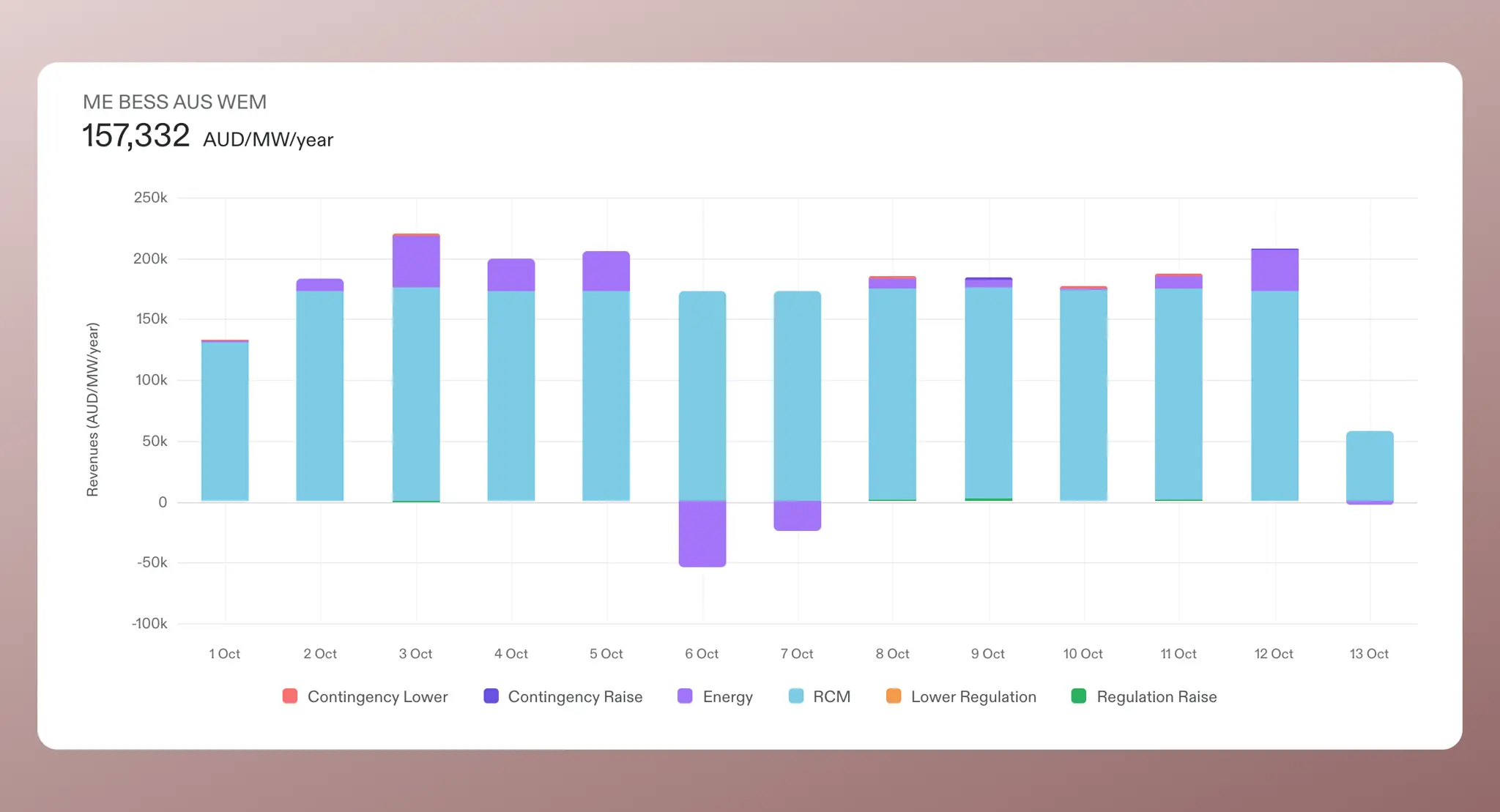
- Projects remain hard to finance. Merchant revenues are compressing, and RCM payments are too uncertain to support debt on their own.
- Government support still underpins the market. No BESS in the WEM has reached FID without government ownership or contract backing.
Batteries are becoming critical to meeting peak demand in the WEM
On 2 February 2026, SWIS demand reached 4,244 MW, the second-highest level on record. Eight thermal generators were unavailable, yet no lack-of-reserve event was called. Batteries filled that gap, discharging 774 MW during the peak as prices hit the $900/MWh cap.
A year earlier, the same conditions would likely have produced a different outcome. This event showed how much more important batteries have become in managing peak demand.
Sign up to read this article for free
Unlimited access to our free articles
Monthly access to 2 Global Research articles
Benchmarks, Forecasts, Ko and more