German BESS investment outlook: Bankable routes to market
German BESS investment outlook: Bankable routes to market
Germany has approved 78 GW of battery storage. Three gigawatts are connected.
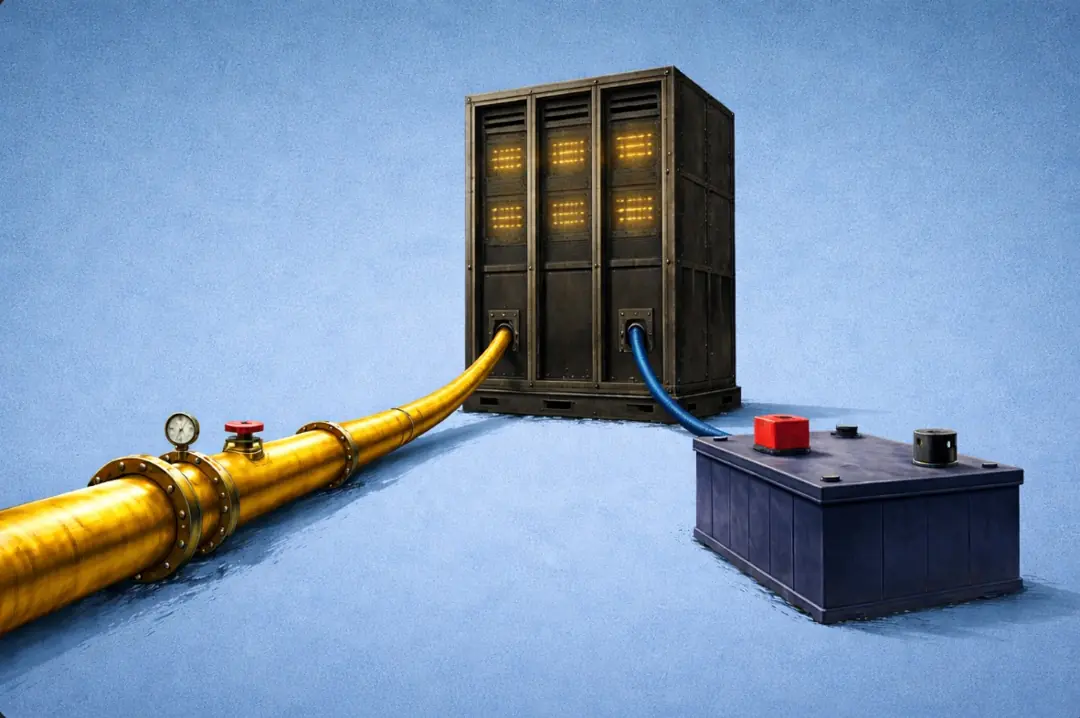
Getting a battery to market in Germany means solving two problems. First, grid access: the queue is full, so green co-location offers a faster route, but project returns drop by up to 5 percentage points (pp). Second, revenue structure: volatile merchant cashflows need packaging into a form lenders will finance, without signing away all the upside.
This is Part 3 of the German BESS investment outlook series, covering routes to market for bankable BESS projects. Part 1 covers Modo Energy’s market outlook. Part 2 covers risk analysis.
Part 1: Why are developers increasingly choosing co-location?
Germany added 13 GW of solar capacity last year, bringing the total to 104 GW. As more solar connects, assets are cannibalising their own value, and capture rates are falling below 50%.
Standalone BESS sits at the opposite extreme. Of the 10 largest announced projects - 5.9 GW in total - only 2.7 GW have reached construction.
Co-locating solar and storage has become the obvious solution: protecting solar value while bypassing grid-access delays to get storage online sooner.
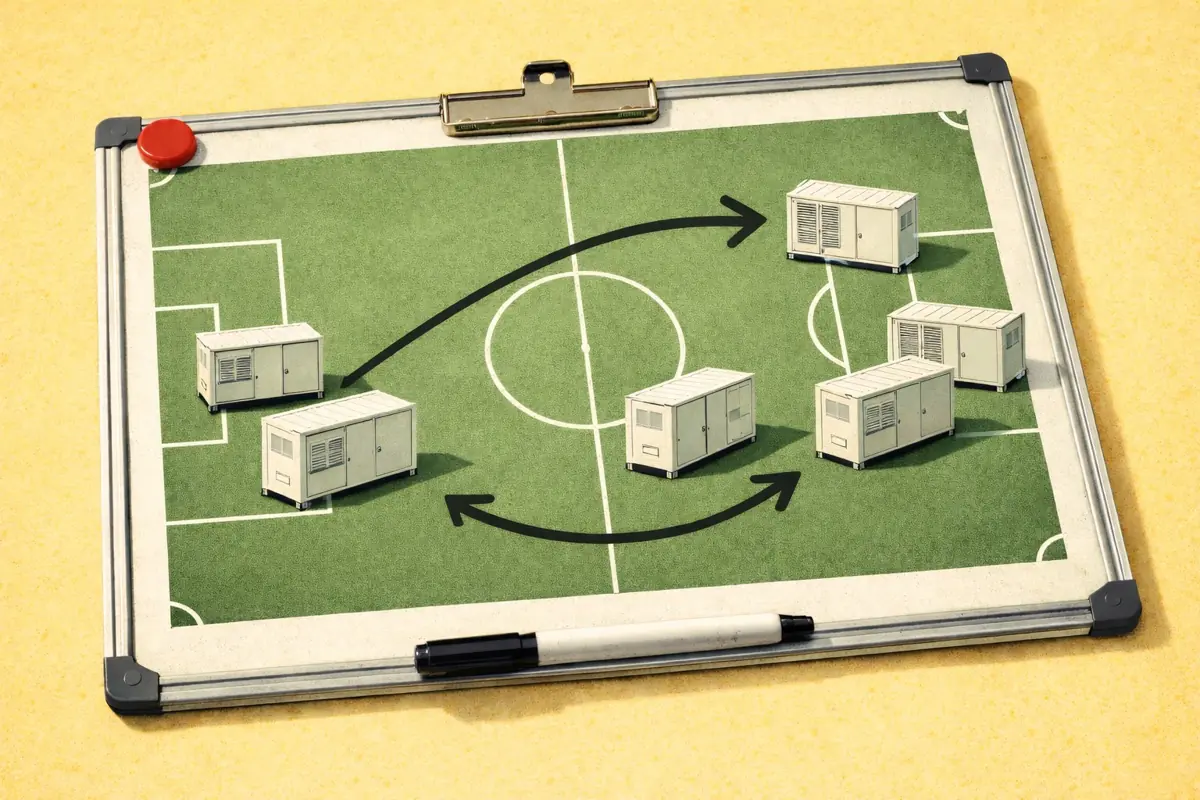
Which co-location structure is best?
Batteries can accelerate their grid access if co-located with an existing asset based on a recent TSO grid reform proposal. Over 80% of German developers surveyed plan to consider this route.
Already a subscriber?
Log in