July 2026 Italy Forecast: market fundamentals and battery revenues
July 2026 Italy Forecast: market fundamentals and battery revenues
Modo Energy's Italy battery energy storage revenue forecast is live.
 Free guide from Modo EnergyPutting AI to work in energy investment and asset managementBuilding your Italy BESS outlook? A practical playbook for using AI tools across your energy investment and operations teams, featuring tangible, timesaving tips and tricks you can put to use immediately.Download the guide →
The Italian case rests on two pillars: contracted revenue through MACSE and the capacity market, and merchant spreads that batteries top up with intraday volatility in the North and balancing in the South.
Key takeaways
- Four-hour spreads open 2026 at 98 k€/MW/year in the North and 123 k€/MW/year on the southern mainland. Spreads ease back as gas softens toward 2030, then widen toward 110 k€/MW/year in the North by 2040, with the South and islands ahead throughout
- Solar capacity more than doubles, from 50 GW in 2026 to 111 GW by 2040, while the CCGT fleet only edges down from 44 to 31 GW.
- The revenue mix shifts down the country: almost all wholesale in the North, but around 10% balancing in the South and close to 20% in Sardinia.
Forecast any Italian zone to 2060
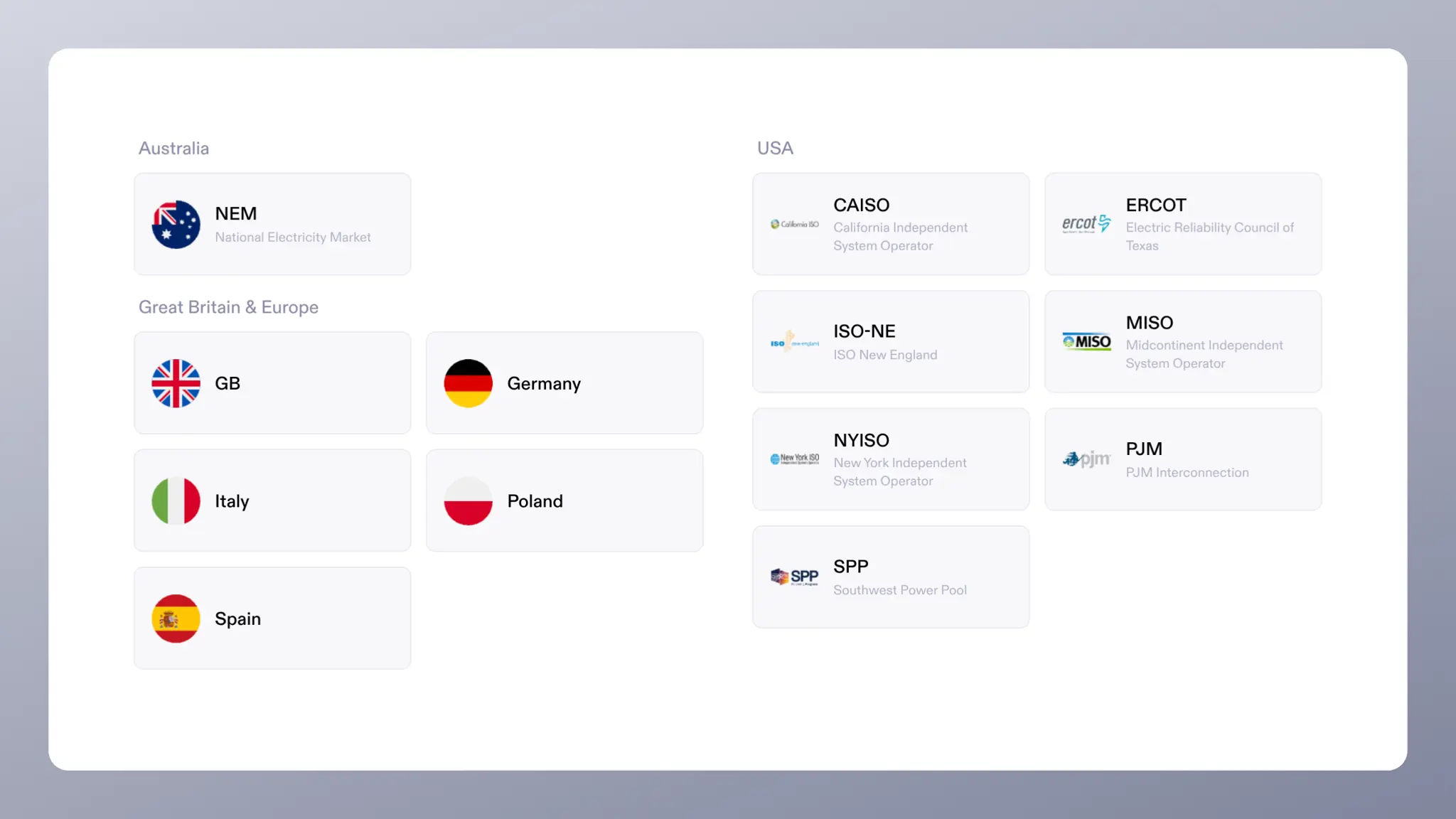
Modo Energy's Italy BESS Revenue Forecast is now live on the terminal. It covers all seven Italian bidding zones, out to 2060.

You can run two forecast for free to value a standalone battery, a solar farm, or a co-located project in any of the seven Italian zones.
Read the methodology to see how the pan-European model works, or book a demo to walk through your results with our modelling team.
An air-conditioned summer peak, and demand up a third by 2050
Italian demand rises by a third to 2050, following Terna’s decarbonisation path, with electric vehicles and heat pumps pulling most of the new load onto the system.
Unlike most of Europe, Italy peaks in summer, not winter. Air conditioning is set to drive that increase, holding demand through the late afternoon and into the evening.
Solar buildout more than doubles, but gas is here to stay
Solar capacity climbs from 50 GW in 2026 to 111 GW by 2040. Onshore wind reaches 33 GW, and the first offshore projects arrive off the southern coast.
Gas stays in the system. The CCGT fleet reshapes rather than retreats, moving from 44 to 31 GW as old plants retire and new ones connect, because winter peaks and windless, sunless spells still require dispatchable capacity to be available.
By 2040, volume still pays for much of the fleet, but its marginal units increasingly lean on tight winter days and the capacity market to stay in the money.
Solar floods midday, and batteries carry it into the evening
Solar is projected to become the backbone of Italian generation. At midday in 2040, solar output climbs past 60 GW nationwide.
Grid-scale batteries move that surplus across the day, drawing up to 18 GW at midday and releasing it into the evening peak.
Solar erodes the midday price, and its own capture rate
Price follows generation. With each year of solar buildout, the summer midday price falls further below the daily average.
This effect is projected to show most clearly in the southern zones.
Sign up to read this article for free
Unlimited access to our free articles
Monthly access to 2 Global Research articles
Benchmarks, Forecasts, Ko and more