Dutch BESS benchmark is live: wholesale trading is taking over the value stack
Dutch BESS benchmark is live: wholesale trading is taking over the value stack
A 2-hour BESS with a full grid connection in the Netherlands earned €303k/MW/yr over the first nine months of 2026.
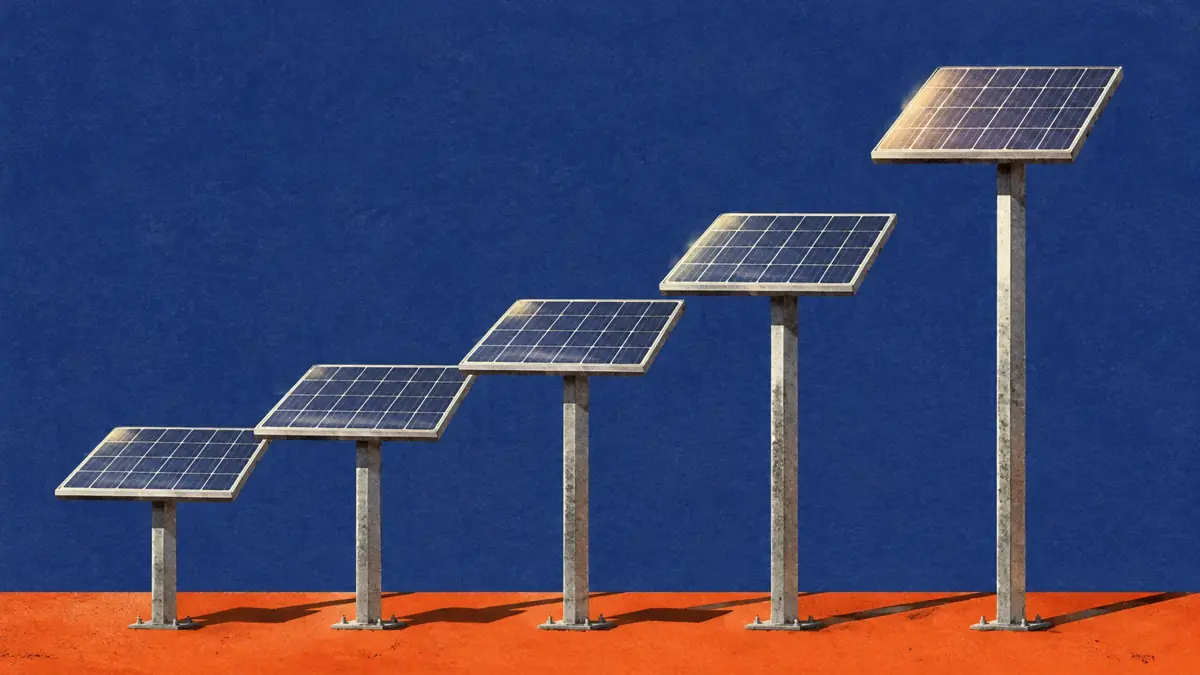
Each additional hour of duration adds less revenue than the one before. Going from 1 to 2 hours adds the most, €88k/MW/yr, because it opens up aFRR capacity, the largest revenue stream of a 2-hour battery. A 1-hour battery has too little stored energy to guarantee its aFRR obligation.
Beyond 2 hours, the extra duration goes into day-ahead trading instead. A longer battery captures more value in each cycle, so a MW used for trading comes close to what the same MW earns held in aFRR capacity.
Key takeaways
- Adding duration pays less with every hour, from €88k/MW/yr going from 1 to 2 hours down to €17k going from 3 to 4 hours, so revenue per MWh of BESS capacity falls from €215k to €87k.
- Wholesale trading revenue is rising for 4-hour batteries because higher gas prices widened day-ahead spreads from March 2026. Day-ahead paid a 4-hour battery €77k/MW/yr in 2026, against €19k across 2025.
- Without ancillary services, a 4-hour battery keeps 53% of its 2026 revenue, against 38% for a 2-hour one, because more of its revenue comes from wholesale trading.
Why does each additional BESS duration increase pay less?
Going from 1 to 2 hours more than doubles the aFRR capacity a battery can sell: on average 4.8 MW on a 10 MW / 2-hour battery, against 2.2 MW on a 1-hour battery. aFRR capacity is paid per MW, but every MW has to be backed by energy in the battery. For shorter durations, the benchmark reduces the aFRR capacity a battery can sell. Every MW of upward aFRR needs enough charge to deliver, and every MW of downward aFRR needs enough empty space to absorb.
Sign up to read this article for free
Unlimited access to our free articles
Monthly access to 2 Global Research articles
Benchmarks, Forecasts, Ko and more